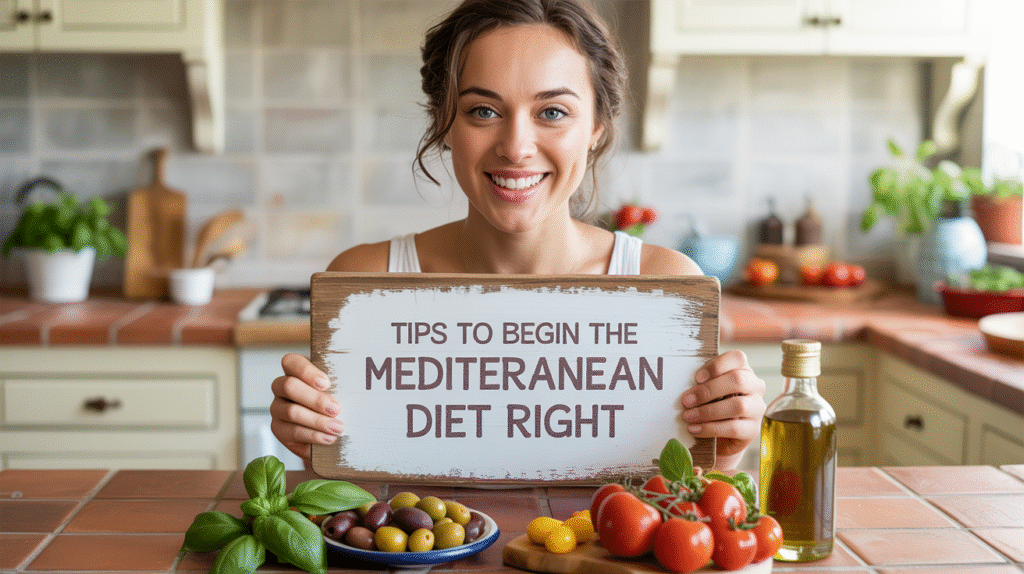
You’re sitting at a small café overlooking the azure waters of the Mediterranean Sea. The air is filled with the aroma of fresh herbs, ripe tomatoes, and golden olive oil sizzling in a pan. A plate arrives at your table—vibrant colors dancing across it like a painter’s palette. This isn’t just a meal; it’s a celebration of life itself.
This scene doesn’t have to remain a vacation memory. The Mediterranean diet isn’t just about food—it’s about embracing a lifestyle that has kept generations of people not only healthy but genuinely happy around their dinner tables. The best part? You don’t need a passport or a complete life overhaul to start living this way.
Why the Mediterranean Way Works Magic
Before we dive into the practical steps, let’s talk about why this approach has captured the hearts (and stomachs) of health experts worldwide. The Mediterranean diet isn’t a restrictive eating plan dreamed up in a laboratory—it’s a time-tested way of life that has naturally evolved over thousands of years.
Research consistently shows that people following this eating pattern have lower rates of heart disease, diabetes, and even certain cancers. But perhaps more importantly, they report higher levels of life satisfaction and mental well-being. When you eat foods that taste incredible and make you feel energetic, healthy eating stops feeling like a chore and starts feeling like self-care.
Your 10-Step Transformation Guide
1. Master the Art of the Single Meal Switch
Rome wasn’t built in a day, and your Mediterranean kitchen transformation doesn’t need to happen overnight. Start by claiming just one meal as your Mediterranean moment each day.
Choose the meal where you typically have the most time and energy—perhaps a leisurely weekend lunch or a weekday dinner when you’re not rushing. Transform this single meal into a Mediterranean experience. Imagine preparing a piece of salmon brushed with olive oil and herbs, paired with roasted vegetables that caramelize into sweet, golden perfection. Or picture yourself assembling a vibrant chickpea salad studded with crisp cucumbers, juicy tomatoes, and creamy feta cheese, each bite bursting with flavor and nutrition.
As this becomes natural and enjoyable, you’ll find yourself naturally wanting to extend these flavors into your other meals.
2. Create Your Mediterranean Pantry Paradise
A well-stocked pantry is like having a magical toolkit—it transforms simple ingredients into extraordinary meals. Think of your pantry as the foundation of your Mediterranean adventure.
Start with liquid gold: extra virgin olive oil. This isn’t just cooking fat; it’s flavor, health, and tradition bottled up. Keep several varieties of canned beans and lentils—these protein-packed gems can transform into hearty salads, creamy dips, or satisfying soups in minutes. Stock whole grain pasta that holds sauces beautifully, and don’t forget canned tomatoes (preferably San Marzano if you can find them) that carry the essence of Mediterranean sunshine.
Your spice cabinet should read like a travel guide: fragrant oregano from Greece, smoky paprika from Spain, aromatic herbs de Provence from France. These aren’t just seasonings—they’re your passport to authentic flavors.
3. Become a Flavor Alchemist
Salt has been the go-to flavor enhancer for too long, but the Mediterranean world knows better secrets. Fresh and dried herbs don’t just add taste—they infuse your meals with antioxidants, vibrant colors, and complex flavors that make your taste buds dance.
Learn to build flavor layers: start with garlic sautéed in olive oil as your base, add fresh herbs like basil and parsley at the end for brightness, and use spices like cumin and smoked paprika to add depth and warmth. When you master this technique, you’ll discover that every meal becomes a sensory experience that satisfies in ways that heavily salted food never could.
4. Embrace the Whole Grain Revolution
The transition from refined to whole grains might seem small, but it’s transformational. Whole grains don’t just provide more nutrients—they offer more complex, nutty flavors and satisfying textures that keep you fuller longer.
Start experimenting with ancient grains that have been nourishing Mediterranean communities for millennia. Try bulgur in tabbouleh, farro in hearty salads, or quinoa as a base for veggie-packed bowls. These grains tell stories of tradition while providing modern nutrition that your body craves.
5. Make Fish Your Frequent Friend
In Mediterranean coastal towns, the catch of the day determines dinner plans. While you might not have a fishing boat at your disposal, you can still embrace this protein-rich, omega-3-packed tradition.
Start with familiar, mild fish like salmon or cod, then gradually explore Mediterranean favorites like sardines, anchovies, and mackerel. These smaller fish are often more sustainable, budget-friendly, and packed with even more nutrients than their larger counterparts. Try grilling whole fish with lemon and herbs, or adding canned sardines to pasta for an authentic and incredibly nutritious meal.
As for red meat, treat it like a special occasion guest rather than a daily resident. When you do enjoy it, make it count with high-quality cuts prepared simply and shared with people you love.
6. Paint Your Plate with Nature’s Rainbow
Mediterranean meals are visual feasts as much as they are nutritional powerhouses. The secret lies in embracing the natural colors that fruits and vegetables provide.
Challenge yourself to include at least three different colored vegetables in each meal. Red bell peppers, orange carrots, green spinach, purple eggplant—each color represents different nutrients and antioxidants that work together to keep you healthy and energized.
Make fruits your natural dessert. A perfectly ripe peach, a handful of fresh figs, or a bowl of berries with a drizzle of honey can satisfy your sweet tooth while providing vitamins, fiber, and natural energy.
7. Discover the Joy of Simple Cooking
Mediterranean cooking celebrates the beauty of simplicity. This isn’t about complicated techniques or hard-to-find ingredients—it’s about letting high-quality, fresh ingredients shine.
Master a few fundamental techniques: roasting vegetables until they’re caramelized and tender, grilling proteins with simple herb marinades, and creating fresh salads that celebrate seasonal produce. Learn to make a basic tomato sauce with just olive oil, garlic, tomatoes, and herbs—this single recipe can transform pasta, eggs, fish, or vegetables into restaurant-quality meals.
Keep a collection of 15-minute meal ideas for busy weeknights: Greek salad with crusty bread, pasta with olive oil and roasted vegetables, or a simple frittata loaded with whatever vegetables you have on hand.
8. Embrace Dairy as a Supporting Actor
In the Mediterranean diet, dairy plays a supporting role rather than taking center stage. Think of Greek yogurt as a creamy canvas for fresh fruit and honey, or as a cooling sauce for spicy dishes. Use feta cheese to add tangy brightness to salads, or grate fresh Parmesan over vegetables to add umami depth.
These dairy products provide protein, calcium, and probiotics while adding incredible flavor without overwhelming your meals. A little goes a long way when the quality is high.
9. Rediscover the Lost Art of Mindful Dining
Perhaps the most important aspect of Mediterranean living isn’t what you eat, but how you eat it. Mediterranean cultures understand that meals are about more than nutrition—they’re about connection, relaxation, and celebration.
Create rituals around your meals: set the table nicely even for everyday dinners, put away phones and turn off the TV, and focus on the conversation and the flavors. Eat slowly, savoring each bite, and pay attention to how different foods make you feel.
This mindful approach naturally leads to better digestion, more satisfaction with smaller portions, and a healthier relationship with food overall.
10. Wine: The Optional Grace Note
In Mediterranean cultures, a glass of wine with dinner is often part of the social fabric of mealtime. If you choose to drink alcohol, red wine in moderation (one glass for women, two for men) may provide some health benefits thanks to antioxidants like resveratrol.
However, this is entirely optional. The health benefits of the Mediterranean diet don’t depend on alcohol consumption, and if you don’t drink, there’s no need to start. The real magic happens in the other components of this lifestyle.
Your Path Forward: Progress Over Perfection
Remember, the Mediterranean diet isn’t a strict set of rules—it’s a flexible framework for living well. Some weeks you’ll eat fish three times, other weeks maybe only once. Some days your meals will be Instagram-worthy arrangements of colorful vegetables, other days you’ll throw together a simple pasta with olive oil and herbs. Both approaches are perfectly valid.
The goal isn’t to transform overnight into someone who only eats meals that look like they came from a Tuscan cookbook. Instead, focus on gradually incorporating more Mediterranean elements into your current eating patterns. Maybe this week you try cooking with olive oil instead of butter. Next week, you experiment with adding more vegetables to your favorite pasta dish. The week after that, you discover how delicious a simple piece of grilled fish can be with just lemon and herbs.
The Bigger Picture: A Lifestyle, Not a Diet
As you embark on this Mediterranean journey, remember that you’re not just changing what’s on your plate—you’re embracing a philosophy that values pleasure, community, and balance. You’re joining a tradition that understands that the best diet is the one that makes you feel vibrant, satisfied, and connected to the people around you.
The Mediterranean way teaches us that healthy eating doesn’t require sacrifice or deprivation. Instead, it invites us to discover new flavors, try fresh ingredients, and find joy in the simple act of preparing and sharing good food.
Start today with just one Mediterranean-inspired meal. Notice how it makes you feel, both physically and emotionally. Pay attention to the flavors, colors, and textures. Most importantly, enjoy the process. Your journey to Mediterranean living begins with a single delicious bite.
Frequently Asked Questions (FAQ)
1: Is the Mediterranean diet expensive to follow?
Not necessarily! While some specialty items like high-quality olive oil and fresh fish can be pricier, the foundation of the Mediterranean diet relies on affordable staples like beans, lentils, seasonal vegetables, whole grains, and canned fish. Buying seasonal produce, shopping at farmers markets, using frozen vegetables, and incorporating more plant-based proteins can actually make this way of eating quite budget-friendly. Remember, you’re likely spending less on processed foods and takeout, which often balances out the cost.
2: Can I follow the Mediterranean diet if I’m vegetarian or vegan?
Absolutely! The Mediterranean diet is naturally plant-forward, making it very adaptable for vegetarians and vegans. Simply emphasize the abundant vegetables, fruits, whole grains, legumes, nuts, seeds, and olive oil that form the diet’s foundation. Vegetarians can include eggs and dairy products like Greek yogurt and cheese. Vegans can get their protein from beans, lentils, chickpeas, nuts, and seeds while using nutritional yeast instead of cheese for that umami flavor. The key principles of fresh, seasonal, minimally processed foods remain the same.
3: How quickly will I see results from following the Mediterranean diet?
Many people notice improved energy levels and better digestion within the first few weeks of adopting Mediterranean eating patterns. However, the most significant health benefits—like improved heart health, better cholesterol levels, and weight management—typically become apparent after 2-3 months of consistent following. Remember, this isn’t a quick-fix diet but a sustainable lifestyle change. The beauty lies in how naturally satisfying and enjoyable this way of eating becomes, making it easier to maintain long-term than restrictive diets.
4: What if I don’t like fish or seafood?
While fish is a cornerstone of the traditional Mediterranean diet, you can still embrace this lifestyle without it! Focus on other protein sources like beans, lentils, chickpeas, eggs, and moderate amounts of poultry. Nuts and seeds also provide healthy fats and protein. If you’re open to it, try starting with mild, flaky white fish or canned tuna in familiar preparations like salads or pasta. But if seafood truly isn’t for you, the plant-based proteins and occasional lean meats can still provide the nutritional benefits you’re seeking.
5: Can I eat pasta and bread on the Mediterranean diet?
Yes, but with some important distinctions! Traditional Mediterranean cultures do enjoy pasta and bread, but they typically choose whole grain versions and eat them in reasonable portions as part of balanced meals. Think of a small portion of whole grain pasta tossed with vegetables, olive oil, and herbs, or a slice of crusty whole grain bread dipped in olive oil alongside a large salad. The key is quality over quantity—choose minimally processed, whole grain options and pair them with plenty of vegetables, healthy fats, and lean proteins rather than making them the star of every meal.