How Ancient Traditions Shaped the World’s Healthiest Way of Eating
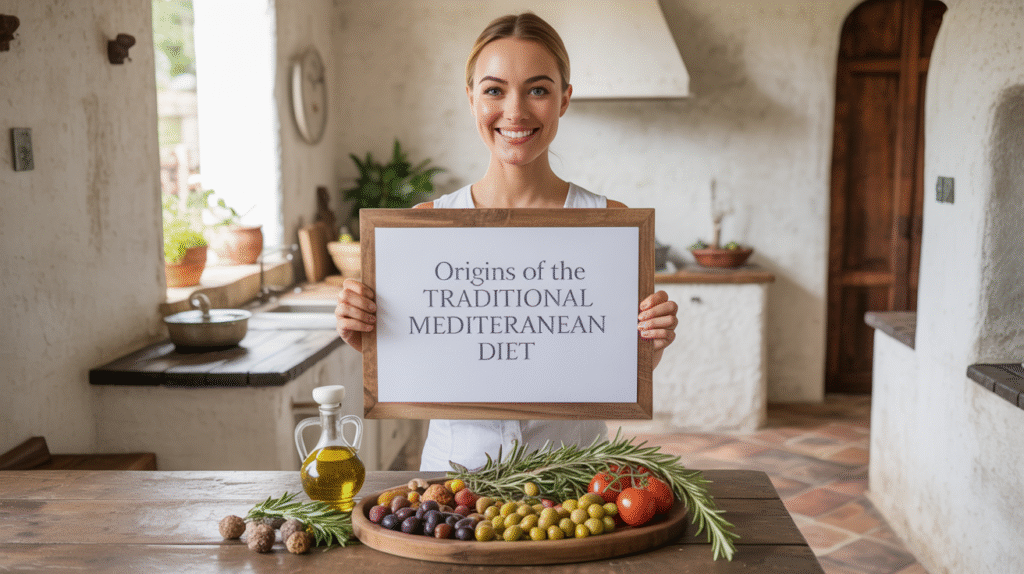
You’re sitting at a weathered wooden table overlooking the azure waters of the Mediterranean Sea. The sun is setting, casting golden light across olive groves that have stood for millennia. Your plate holds simple treasures—crusty bread drizzled with emerald olive oil, sun-ripened tomatoes still warm from the vine, and grilled fish caught that very morning. This isn’t just dinner; it’s a 4,000-year-old tradition that has quietly become the world’s most celebrated way of eating.
The Mediterranean Diet isn’t just another popular nutritional plan—it’s a living heritage that pulses through the veins of ancient civilizations. Born from the marriage of climate, geography, farming wisdom, family bonds, and sacred rituals, this way of eating tells the story of humanity itself.
Ancient Wisdom: When Food Was Life Itself
Long before white-coated scientists gave it an official name in the mid-20th century, the people of Greece, Italy, Spain, and the coastal regions of North Africa and the Middle East were already living its principles. For thousands of years, their ancestors understood something profound: food wasn’t just fuel—it was medicine, community, and culture rolled into one.
Imagine ancient Greek philosophers like Hippocrates, who declared “Let food be thy medicine and medicine be thy food,” sharing meals that embodied this wisdom. Picture Roman families gathering around tables laden with the same ingredients we celebrate today—fresh bread, glistening olives, robust wine, silvery fish, and hearty legumes.
These weren’t random choices. Every ingredient told a story:
What the Land Gave Them: Mediterranean ancestors ate what they could grow in rocky soil and sunny climates, catch from crystal-clear waters, or trade along bustling sea routes. There were no supermarkets, no imported exotic foods—just the honest bounty of their homeland.
Simplicity as Sophistication: Their kitchens knew no complicated gadgets or processed shortcuts. Simple preparation with minimal processing wasn’t a health trend—it was necessity that became artistry. A perfect tomato needed no embellishment. Fresh herbs from the garden were more precious than any spice from distant lands.
The Sacred Circle of Community: Meals were never solitary affairs. They carried the weight of tradition, the warmth of community, and the binding power of shared stories. Every bite connected diners to their ancestors and to each other.
Historians have traced these eating patterns back to ancient Greece and Rome, where archaeological evidence reveals that bread, olives, wine, fish, and legumes weren’t just daily staples—they were woven into the fabric of mythology, medicine, and philosophy. The Greeks believed certain foods could influence not just the body, but the soul.
Olive Oil: The Liquid Gold That Built Civilizations
If the Mediterranean Diet has a beating heart, it’s olive oil. More than just cooking fat, olive oil is the liquid embodiment of Mediterranean culture itself.
Journey back to 4000 BCE, when resourceful farmers first discovered that these hardy, silvery-leafed trees could transform harsh, rocky landscapes into sources of liquid treasure. The olive tree wasn’t merely cultivated—it was revered, worshipped, and protected like family.
Ancient societies understood olive oil’s power extended far beyond the kitchen:
Culinary Alchemy: It transformed simple vegetables into feasts, preserved precious foods through harsh winters, and added richness to even the humblest meals.
Sacred Rituals: Olive oil anointed kings, blessed newborns, and lit the flames of religious ceremonies. In ancient Greece, victorious Olympic athletes were crowned with olive wreaths and bathed in olive oil.
Natural Medicine: Long before modern science discovered its anti-inflammatory properties, ancient healers used olive oil to treat wounds, soothe skin, and ease ailments. They intuitively understood what researchers now confirm—this “liquid gold” contains powerful compounds that fight disease and promote longevity.
Economic Foundation: Olive oil became so valuable it was used as currency, traded across continents, and controlled by empires. Wars were fought over olive groves, and fortunes were built on olive harvests.
Today, this golden elixir remains central to Mediterranean cuisine, prized not only for its rich, fruity flavor but for its scientifically-proven heart-protective and brain-boosting properties.
Simplicity, Seasonality, and the Art of Natural Living
The Mediterranean approach to food stands in stark contrast to our modern obsession with restriction and elimination. Instead of focusing on what to cut out, this ancient wisdom celebrates what is fresh, natural, and gloriously abundant.
The Rhythm of Seasons: Mediterranean families learned to dance with nature’s calendar. Spring brought tender artichokes and wild greens. Summer exploded with tomatoes, eggplants, and stone fruits. Autumn offered pomegranates, grapes, and nuts. Winter meant hearty stews with preserved foods and citrus fruits. This seasonal eating wasn’t a conscious choice—it was the only option, and it created a diet naturally rich in diverse nutrients throughout the year.
Ancient Grains, Timeless Nutrition: Long before quinoa became trendy, Mediterranean cultures treasured whole grains like barley, farro, and ancient wheats. These weren’t processed into white flour and sugar—they were eaten whole, providing sustained energy and deep satisfaction.
Herbs as Medicine: In place of salt (which was precious and often unavailable), cooks relied on fresh herbs that grew wild on hillsides and in kitchen gardens. Oregano, thyme, rosemary, and basil weren’t just flavor enhancers—they were pharmacies in leaf form, packed with antioxidants and healing compounds.
The Power of Plants: Legumes and nuts weren’t expensive protein supplements—they were affordable, filling staples that grew easily in Mediterranean climates. A pot of lentil soup could feed a family for days, while a handful of almonds could sustain a traveler for miles.
From Sea to Table: Living near the water meant fresh fish and seafood were abundant, while meat from land animals was reserved for special occasions. This created a diet naturally high in omega-3 fatty acids and lower in saturated fat.
The cultural values of frugality, gratitude, and deep respect for the land made this diet naturally sustainable and affordable—concepts that feel revolutionary today but were simply common sense for generations of Mediterranean families.
Food and Family: Where Love Meets Nourishment
Step into any Mediterranean home at mealtime, and you’ll witness something that fast-food culture has nearly erased: the sacred ritual of shared eating.
In the Mediterranean world, meals aren’t just about consuming calories—they’re ceremonies of connection. Food is never wolfed down standing at a counter or eaten while staring at screens. Instead, it’s treated with the reverence it deserves:
The Extended Table: Meals are shared with family, neighbors, and anyone who happens to drop by. Tables expand to accommodate unexpected guests because there’s always enough to share. Children learn that generosity with food reflects generosity of spirit.
The Art of Slow Pleasure: Each meal is eaten slowly, savored mindfully, and enjoyed completely. Conversations flow like wine, laughter punctuates every course, and time seems to slow down. This isn’t just pleasant—it’s healthy. Slow eating aids digestion, prevents overeating, and creates deeper satisfaction with less food.
Stories Served with Every Dish: Meals are accompanied by stories, memories, and traditions passed down through generations. Grandmothers share cooking secrets while stirring pots. Fathers tell tales while carving bread. Food becomes the vehicle for preserving family history and cultural identity.
Wine as Celebration: Unlike cultures that view alcohol as either forbidden or excessive, Mediterranean traditions embrace wine as part of a balanced, joyful life. A glass of local wine with dinner isn’t about getting drunk—it’s about celebrating the day’s end, honoring the grape grower’s craft, and enhancing the flavors of the meal.
These traditions persist today with remarkable strength. Whether you witness a Greek Easter feast with its ritual lamb and red eggs, an Italian Sunday dinner that stretches for hours, or a Moroccan couscous celebration bringing together multiple generations, food remains the bridge between past and present, individual and community.
A Diet So Valuable, UNESCO Took Notice
In 2010, something unprecedented happened in the world of nutrition. UNESCO, the organization that protects world treasures like the Great Wall of China and Machu Picchu, added the Mediterranean Diet to its list of Intangible Cultural Heritage of Humanity.
This wasn’t just about recognizing a healthy way of eating—it was acknowledging that the Mediterranean Diet represents something far more precious: a complete cultural identity that encompasses:
Living Knowledge: The accumulated wisdom of traditional cooking techniques passed down through families—how to properly cure olives, when to harvest tomatoes, which herbs pair with which fish. This knowledge isn’t written in cookbooks; it lives in the hands and hearts of Mediterranean cooks.
Environmental Harmony: A deep respect for the land, biodiversity, and natural cycles that sustainable farming requires. Mediterranean agriculture isn’t about maximum yield—it’s about working with nature to produce food that nourishes both body and soil.
Cultural Celebration: The social customs, music, festivals, and celebrations that transform simple meals into meaningful experiences. Food isn’t consumed in isolation—it’s the centerpiece of life’s most important moments.
Intergenerational Connection: The way culinary traditions bind families across generations, creating continuity and identity in a rapidly changing world. Recipes become heirlooms, cooking methods become acts of love, and shared meals become sacred time.
This UNESCO recognition reflects something profound: the Mediterranean Diet’s unbreakable connection to health, history, and human flourishing.
The Science Behind Ancient Wisdom
Modern research has spent decades trying to understand why Mediterranean populations historically enjoyed such remarkable health and longevity. What they discovered reads like validation of ancient wisdom:
Heart Health: The combination of olive oil, fish, nuts, and wine creates a powerful shield against heart disease. People following traditional Mediterranean eating patterns show dramatically lower rates of heart attacks and strokes.
Brain Protection: The anti-inflammatory compounds in olive oil, the omega-3s in fish, and the antioxidants in colorful vegetables work together to preserve cognitive function and reduce dementia risk.
Cancer Prevention: The rainbow of plant foods provides thousands of protective compounds that help the body fight cancer-causing damage.
Weight Management: Despite including wine, olive oil, and bread, the Mediterranean approach to eating naturally maintains healthy weight through portion control, physical activity, and mindful eating.
Longevity: Some of the world’s longest-lived populations—from Sardinia to Crete—follow traditional Mediterranean eating patterns, often living active, healthy lives well into their hundreds.
But perhaps most importantly, research shows that the social and cultural aspects of Mediterranean eating are just as crucial as the food itself. The stress-reducing effects of shared meals, the satisfaction that comes from slow eating, and the joy found in food traditions all contribute to both physical and mental wellbeing.
Living the Legacy Today
The Mediterranean Diet offers us something rare in our fast-paced world: a way of eating that’s both ancient and cutting-edge, simple and sophisticated, healthy and delicious.
But embracing this heritage means understanding that it’s not just about swapping butter for olive oil or adding more fish to your weekly menu. It’s about adopting a philosophy that views food as connection, meals as celebration, and eating as one of life’s great pleasures.
Start with Your Table: Make your dining space sacred. Turn off screens, light candles, set real plates. Transform eating from fuel-up time into ritual time.
Embrace the Season: Visit farmers markets, learn what grows when, cook what’s naturally available. Let the calendar guide your menu rather than your cravings.
Cook with Love: View food preparation not as chore but as meditation, creativity, and gift-giving rolled into one. Involve family and friends in the cooking process.
Slow Your Rhythm: Resist the urge to multitask during meals. Eat slowly, chew thoroughly, and give your body time to register satisfaction.
Build Community: Share meals whenever possible. Invite people over, accept invitations, make food the excuse for gathering.
Choose Quality Over Quantity: Buy the best olive oil you can afford, seek out local sources for fresh ingredients, and remember that a small amount of something exceptional often satisfies more than a large amount of something mediocre.
The Endless Feast
The Mediterranean Diet is ultimately a testament to human wisdom developed over millennia. It’s proof that the healthiest way to eat is often the most pleasurable, that the most sustainable practices are often the most traditional, and that food’s greatest power lies not just in nourishing our bodies but in connecting us to each other and to the earth.
This ancient way of eating doesn’t ask us to count calories, eliminate food groups, or follow complicated rules. Instead, it invites us to remember what our ancestors knew: that food is sacred, that meals are celebrations, that cooking is love made visible, and that the table is where life’s most important moments unfold.
By embracing these time-tested traditions, we don’t just eat healthier—we live more fully, love more deeply, and connect more meaningfully with the world around us. In a culture obsessed with the next nutritional breakthrough, perhaps the greatest wisdom comes from looking backward, to the sun-soaked shores of the Mediterranean, where people have been getting it right for thousands of years.
The invitation is simple: pull up a chair, pour a glass of wine, break some bread, and join the feast that has been going on for millennia. Your body, your relationships, and your soul will thank you.
Frequently Asked Questions (FAQ)
1: Is the Mediterranean Diet expensive to follow?
Not at all! Traditional Mediterranean eating was born from frugality and resourcefulness. Focus on affordable staples like dried beans, lentils, seasonal vegetables, whole grains, and canned fish. Buy olive oil in larger quantities, shop at farmers markets for seasonal produce, and remember that this way of eating emphasizes simple, minimally processed foods—which are often less expensive than packaged alternatives. The key is cooking at home and eating seasonally.
2: Can I follow the Mediterranean Diet if I’m vegetarian or vegan?
Absolutely! The Mediterranean Diet is naturally plant-forward, with meat traditionally eaten only occasionally. Vegetarians can thrive on the abundant legumes, nuts, whole grains, fruits, vegetables, and dairy products. Vegans can easily adapt by focusing on plant-based proteins like chickpeas, lentils, and tahini, while using nutritional yeast instead of cheese. The emphasis on olive oil, herbs, and fresh produce makes plant-based Mediterranean eating both delicious and nutritionally complete.
3: How much wine is actually recommended in the traditional Mediterranean Diet?
Traditional Mediterranean wine consumption is moderate and always with food—typically one glass per day for women and up to two for men, enjoyed during meals. The key is that wine is treated as part of the meal experience, not as a way to unwind or celebrate. It’s sipped slowly, paired with food, and integrated into social dining. If you don’t drink alcohol or have health concerns, you can absolutely follow the Mediterranean Diet without wine and still gain all the health benefits.
4: What’s the difference between the Mediterranean Diet and other healthy eating plans?
Unlike restrictive diets that focus on elimination, the Mediterranean approach celebrates abundance and pleasure. It’s not a temporary eating plan but a sustainable lifestyle that includes all food groups. The emphasis on social eating, cooking methods, and cultural practices sets it apart from purely nutritional approaches. It’s also backed by thousands of years of traditional wisdom, not just modern research, making it one of the most time-tested ways of eating in human history.
5: How quickly will I see health benefits from adopting Mediterranean eating patterns?
Many people notice improvements in energy and digestion within just a few weeks of shifting toward Mediterranean-style eating. However, the most significant health benefits—like improved heart health, better cholesterol levels, and enhanced cognitive function—typically develop over months to years of consistent practice. Remember, this isn’t a quick-fix diet but a lifelong approach to eating and living. The Mediterranean peoples who inspired this way of eating followed these patterns from childhood through old age, allowing the cumulative benefits to build over decades.