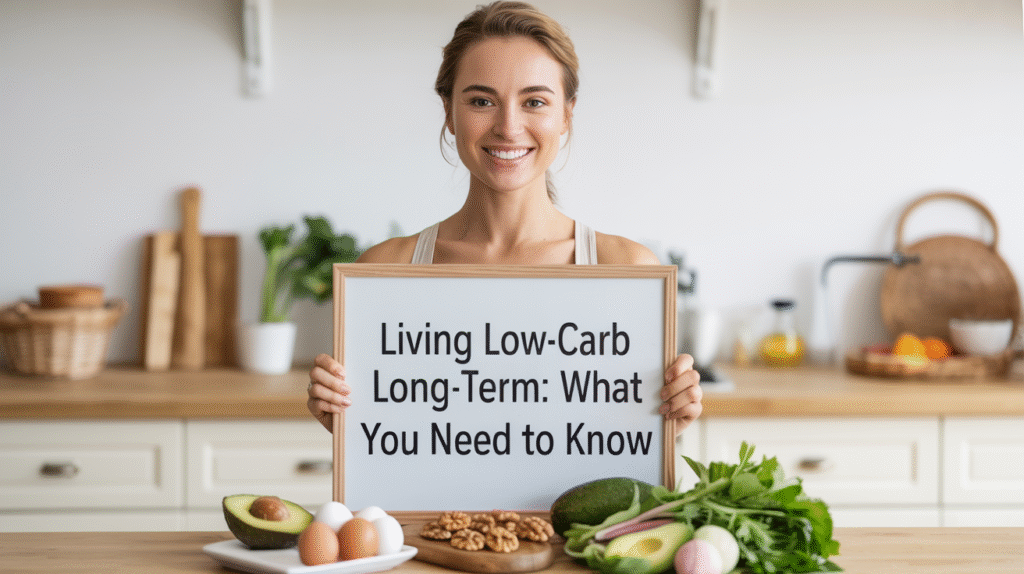
You’ve been crushing your low carb diet for months. The pounds melted off, your energy soared, and you felt like you’d cracked the code to healthy living. But now you’re staring at yet another plate of grilled chicken and broccoli, wondering if you’ll be eating this way for the rest of your life. Sound familiar?
You’re not alone in this dilemma. Millions of people have experienced the incredible short-term benefits of low carb eating—rapid weight loss, stable blood sugar, and that amazing feeling when your jeans finally fit again. But here’s the million-dollar question that keeps nagging at the back of your mind:
Is this actually sustainable for the long haul?
The answer might surprise you. It’s not a simple yes or no—it’s more nuanced than that. The sustainability of a low carb lifestyle depends on how you approach it, your personal circumstances, and whether you’re willing to adapt along the way. Let’s dive deep into what it really takes to make low carb eating work as a permanent lifestyle change, not just another diet you’ll abandon by next summer.
The Long-Term Payoffs: Why People Stick With It
Your Energy Becomes Rock Solid
Remember those afternoon energy crashes that had you reaching for a third cup of coffee or that sugary snack? When you’ve been eating low carb long-term, those roller-coaster energy dips become a thing of the past. Your body becomes incredibly efficient at burning fat for fuel, creating a steady stream of energy that doesn’t depend on your next carb fix.
Think of it like switching from a gas-guzzling car that needs constant fill-ups to a hybrid that runs smoothly for miles. Your metabolism learns to tap into your body’s fat stores, providing sustained energy that keeps you alert and focused from morning until night. Many long-term low carb eaters describe feeling more mentally sharp and emotionally stable—no more hangry moments when dinner runs late!
Weight Maintenance Becomes Almost Effortless
Here’s something most diet articles won’t tell you: maintaining weight loss is usually harder than losing weight in the first place. But low carb eating has a secret weapon—it naturally controls your appetite. When you’re eating adequate protein and healthy fats, you feel genuinely satisfied after meals. No more battling constant cravings or obsessing over your next snack.
This isn’t just willpower talking; it’s biology. Low carb eating helps regulate hormones like ghrelin (your hunger hormone) and leptin (which signals fullness). Many people find they naturally eat less without feeling deprived, making weight maintenance feel less like a constant battle and more like… well, normal life.
Your Heart Health Gets a Major Upgrade
The cardiovascular benefits of long-term low carb eating can be truly impressive. We’re talking about improvements that show up on your blood work and make your doctor do a double-take. Lower triglycerides, higher HDL (the “good” cholesterol), better blood pressure readings—these changes often persist as long as you maintain the lifestyle.
But here’s the key: these benefits are most pronounced when your low carb diet emphasizes nutrient-dense whole foods rather than processed low carb products. Think avocados, nuts, olive oil, and plenty of vegetables rather than low carb bars and shakes.
The Real Challenges Nobody Talks About
Social Situations Become Complicated
Let’s be honest—living in a carb-centric world while eating low carb can feel isolating sometimes. Birthday parties with cake, work meetings with pizza, date nights at Italian restaurants, family traditions centered around comfort foods. These situations don’t just challenge your willpower; they can make you feel like you’re missing out on important social connections.
The challenge isn’t just saying no to the food—it’s navigating the well-meaning comments, the questions about your “weird diet,” and sometimes feeling like the high-maintenance person at the table. Over time, this social friction can wear you down, especially if you feel like you’re constantly explaining your choices or feeling guilty for disrupting group plans.
Food Boredom Is Real
If you’re someone who loves culinary adventure and trying new cuisines, a restrictive approach to low carb eating can start feeling monotonous. When you eliminate entire food groups without learning to explore the incredible variety within your chosen parameters, meals can become predictable and joyless.
This boredom doesn’t just affect your taste buds—it can lead to nutrient deficiencies if you fall into a rut of eating the same limited foods repeatedly. Variety isn’t just the spice of life; it’s essential for getting a full spectrum of vitamins, minerals, and phytonutrients your body needs to thrive.
The All-or-Nothing Trap
Perhaps the biggest sustainability killer is approaching low carb eating with an extremely rigid mindset. When you view any deviation from your plan as a complete failure, you set yourself up for an exhausting cycle of perfectionism followed by guilt-induced abandonment of the entire approach.
Ultra-restrictive approaches like very low carb ketogenic diets can be particularly challenging to maintain long-term without some flexibility. While some people thrive on the structure, others find that such strict parameters become a source of stress rather than health.
Your Roadmap to Long-Term Success
Embrace the Power of Flexibility
The most successful long-term low carb eaters aren’t the ones following the strictest rules—they’re the ones who’ve learned to adapt. Consider aiming for a moderate carb intake of 50-150 grams per day rather than going ultra-low forever. This range still provides significant health benefits while allowing for more food variety and social flexibility.
Think of it as finding your personal “carb sweet spot”—the level that keeps you feeling great while still being practical for your lifestyle. Some people discover they feel best at 75 grams per day, while others thrive at 125 grams. Your ideal number might even change based on your activity level, stress, or life circumstances.
Make Whole Foods Your Foundation
Instead of focusing on what you can’t eat, get excited about the incredible variety of foods you can enjoy. Build your meals around colorful vegetables, quality proteins, healthy fats like avocados and olive oil, and lower-sugar fruits like berries. This approach naturally provides more nutrients and keeps meals interesting.
Explore international cuisines that naturally align with low carb principles. Mediterranean dishes with grilled fish and vegetables, Mexican fajita bowls without the tortilla, Asian stir-fries over cauliflower rice, Indian curries with plenty of vegetables and protein. The world of flavors available to you is vast when you think creatively.
Give Yourself Permission for Special Occasions
Here’s a liberating truth: you can include occasional higher-carb meals in your lifestyle without derailing your progress. The key is making these choices consciously and without guilt, then returning to your normal eating pattern afterward.
Maybe it’s enjoying birthday cake at your child’s party, sharing pasta on your anniversary, or trying local specialties when traveling. These moments can actually help make your lifestyle more sustainable by preventing the feeling of deprivation that leads many people to abandon their healthy habits entirely.
Consider Strategic Carb Cycling
Some people find success with carb cycling—eating very low carb most days but including moderate carb days around workouts or social events. This approach can help you maintain the metabolic benefits of low carb eating while providing flexibility for an active lifestyle or social calendar.
For example, you might eat 30-50 grams of carbs five days per week, then allow 100-150 grams on two days when you have intense workouts or social commitments. This strategy can help prevent metabolic slowdown while maintaining most of the benefits you’re seeking.
Support Your Body Through the Transition
Long-term low carb eating requires attention to certain nutrients that become more important when you reduce carbs. Adequate hydration becomes crucial, as does ensuring you get enough electrolytes like magnesium and potassium. Many people benefit from incorporating more fiber-rich vegetables and considering targeted supplements.
Don’t ignore signs that your body might need adjustments. Persistent fatigue, hair loss, irregular menstrual cycles, or declining athletic performance might indicate that your carb level is too low for your individual needs.
Frequently Ask Questions (FAQ)
“But won’t I be missing out on important nutrients if I avoid whole grains and fruits?”
This concern is understandable but largely unfounded if you’re eating a well-planned low carb diet. Most nutrients found in grains are also present (often in higher concentrations) in vegetables, nuts, and seeds. As for fruits, you can include lower-sugar options like berries, which are nutrient powerhouses with minimal carb impact.
The key is eating a rainbow of vegetables and not relying too heavily on processed low carb products. When your plate is full of colorful, nutrient-dense whole foods, you’re likely getting more vitamins and minerals than many people eating standard high-carb diets.
“What if I want to train for a marathon or do intense workouts?”
Active individuals often worry that low carb eating will hamper their performance, but many athletes thrive on lower carb intakes once they’re fully adapted. However, you might need a higher carb allowance than sedentary individuals, or you might benefit from strategic carb timing around workouts.
The key is listening to your body and being willing to adjust. Some endurance athletes do phenomenally well on ketogenic diets, while others perform better with moderate carb intakes that support their training intensity.
“How do I handle family meals and food traditions?”
Food traditions are deeply meaningful, and you don’t have to abandon them entirely. Focus on the dishes that can be naturally low carb or easily modified. Make your grandmother’s roast with vegetables instead of potatoes, or enjoy the filling of her famous pie without the crust.
Often, you’ll discover that the essence of food traditions—gathering with loved ones, sharing meaningful meals—isn’t actually dependent on specific high-carb dishes. You might even inspire family members to try healthier versions of traditional recipes.
“Is it okay if I’m not in ketosis all the time?”
Absolutely! While ketosis has specific benefits for some people, you don’t need to maintain ketosis constantly to enjoy the benefits of low carb eating. Many of the health benefits—stable blood sugar, appetite control, improved body composition—occur at carb levels that may not maintain ketosis.
Focus on how you feel rather than chasing specific ketone levels. If you have steady energy, good sleep, stable mood, and you’re maintaining your health goals, you’re probably in a good place regardless of your ketone readings.
The Bottom Line: Making It Work for Life
The truth about long-term low carb sustainability is this: it’s absolutely possible, but it requires a mindset shift from “dieting” to “lifestyle adaptation.” The people who succeed long-term aren’t following rigid rules—they’re making informed choices that align with their health goals while still allowing them to fully participate in life.
Your low carb journey doesn’t have to look like anyone else’s. Maybe you’ll thrive on a ketogenic approach for years. Maybe you’ll find your sweet spot at 100 grams of carbs per day with room for flexibility. Maybe you’ll cycle between different approaches based on your life circumstances, stress levels, or activity.
The most sustainable approach is the one that makes you feel vibrant and healthy while still allowing you to enjoy food, social connections, and life’s special moments. Don’t let perfect be the enemy of good. A moderately low carb lifestyle that you can maintain happily for decades is infinitely better than a ultra-restrictive approach that you abandon after six months.
Remember, the goal isn’t to follow a diet forever—it’s to develop a healthy relationship with food that supports your long-term wellbeing. When you approach low carb eating with flexibility, curiosity, and self-compassion, it stops being a temporary diet and becomes simply the way you choose to nourish yourself.
Your future self will thank you for finding an approach that’s not just effective, but enjoyable and sustainable for the long haul. After all, the best diet is the one you can stick with—not just for months, but for life.