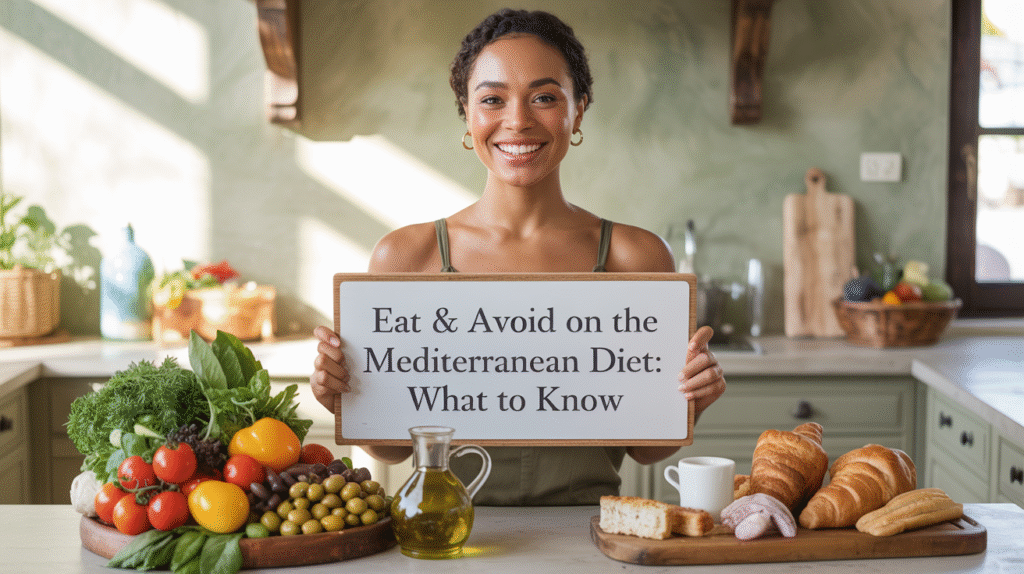
Sun drenched olive groves, vibrant farmers’ markets overflowing with fresh produce, and families gathering around tables laden with colorful, aromatic dishes. This isn’t just a romantic vacation fantasy—it’s the everyday reality that inspired one of the world’s healthiest and most sustainable ways of eating.
The Mediterranean diet isn’t really a “diet” at all. It’s a lifestyle that has nourished generations of people living along the Mediterranean Sea, from Greece and Italy to Spain and Morocco. What makes it so special? It’s not about counting calories or cutting out entire food groups. Instead, it celebrates abundance—an abundance of flavor, nutrients, and pure enjoyment of food.
Why the Mediterranean Way Works
Before we dive into the delicious details, let’s talk about why this eating pattern has captured the attention of nutritionists and health researchers worldwide. Studies have consistently shown that people following a Mediterranean-style diet experience:
- Reduced risk of heart disease by up to 30%
- Better brain health and lower rates of cognitive decline
- Improved weight management without restrictive dieting
- Enhanced mood and energy levels
- Stronger immune system function
The secret lies in the diet’s emphasis on whole, minimally processed foods that work together to create a powerhouse of nutrition and flavor.
The Mediterranean Pantry: Your New Best Friends
Vegetables: The Colorful Stars of Your Plate
Think of vegetables as nature’s multivitamins wrapped in delicious packages. In the Mediterranean approach, they’re not boring side dishes—they’re the vibrant centerpieces of your meals.
Embrace these veggie superstars:
- Leafy greens like spinach and kale (perfect for salads or sautéing with garlic)
- Nightshades such as tomatoes, eggplant, and peppers (hello, ratatouille!)
- Cruciferous vegetables like broccoli and cauliflower (roast them with olive oil for crispy perfection)
- Root vegetables including carrots, sweet potatoes, and beets (natural sweetness at its finest)
Pro tip: Aim to fill half your plate with vegetables at every meal. Your taste buds and your body will thank you!
Fruits: Nature’s Candy (But Better)
Mediterranean fruits aren’t just desserts—they’re integral parts of meals, snacks, and celebrations. These natural sweet treats provide fiber, vitamins, and antioxidants that processed sugars simply can’t match.
Seasonal favorites include:
- Stone fruits like peaches, apricots, and plums (summer perfection)
- Berries packed with antioxidants (blueberries, strawberries, blackberries)
- Mediterranean classics such as figs, grapes, and pomegranates
- Citrus fruits for vitamin C and bright flavors (oranges, lemons, grapefruits)
Whole Grains: The Satisfying Foundation
Forget the refined, stripped-down grains that leave you hungry an hour later. Mediterranean whole grains provide sustained energy and keep you feeling satisfied.
Stock your pantry with:
- Ancient grains like quinoa, farro, and bulgur wheat
- Whole grain versions of bread, pasta, and rice
- Hearty options such as barley and steel-cut oats
These aren’t just fillers—they’re packed with B vitamins, fiber, and complex carbohydrates that fuel your body properly.
Legumes: The Protein-Fiber Powerhouses
Beans and lentils are the unsung heroes of Mediterranean cuisine. They’re incredibly versatile, budget-friendly, and nutritionally dense.
Essential legumes to love:
- Chickpeas (perfect for hummus, roasted snacks, or hearty stews)
- Lentils (red, green, or black—each with its own unique flavor)
- White beans (cannellini, navy, or great northern)
- Black beans and other colorful varieties
Kitchen hack: Cook a big batch on Sunday and add them to salads, soups, and grain bowls throughout the week.
Nuts and Seeds: Tiny Packages of Big Nutrition
These crunchy additions provide healthy fats, protein, and satisfying texture to meals and snacks.
Mediterranean favorites:
- Tree nuts like almonds, walnuts, and pistachios
- Seeds such as sunflower, pumpkin, and chia seeds
- Pine nuts for that authentic Mediterranean touch
Smart snacking: Keep a small container of mixed nuts in your bag for those afternoon energy dips.
Healthy Fats: The Liquid Gold of the Mediterranean
This is where the Mediterranean diet truly shines. Unlike many eating plans that demonize fats, this approach celebrates the right kinds of fats—the ones that nourish your brain, support hormone production, and make food incredibly satisfying.
The superstars:
- Extra virgin olive oil (the cornerstone of Mediterranean cooking)
- Olives in all their glorious varieties
- Avocados (technically not Mediterranean, but they fit perfectly)
- Fatty fish oils from salmon, sardines, and mackerel
Quality matters: Invest in good extra virgin olive oil. It should taste fruity, slightly peppery, and make you want to drizzle it on everything.
Fish and Seafood: Ocean-to-Table Nutrition
Fish is the primary protein source in traditional Mediterranean eating, and for good reason. It’s lean, flavorful, and packed with omega-3 fatty acids that support heart and brain health.
Aim for 2-3 servings per week of:
- Fatty fish like salmon, mackerel, sardines, and herring
- Lean white fish such as cod, halibut, and sea bass
- Shellfish including shrimp, mussels, and scallops
Don’t fear the small fish: Sardines and anchovies might seem intimidating, but they’re nutritional powerhouses and incredibly flavorful when prepared well.
Herbs and Spices: The Flavor Revolution
This is where Mediterranean cooking becomes magical. Instead of relying on salt and sugar for flavor, Mediterranean cuisine uses an abundance of fresh herbs and aromatic spices.
Essential flavor boosters:
- Fresh herbs like basil, parsley, cilantro, and mint
- Dried herbs such as oregano, thyme, and rosemary
- Warming spices including cumin, cinnamon, and smoked paprika
- Aromatics like garlic, onions, and shallots
Flavor tip: Grow a small herb garden on your windowsill. Fresh herbs transform even the simplest dishes into restaurant-quality meals.
What to Limit: Breaking Up with Processed Foods
The Mediterranean approach isn’t about strict rules or never eating certain foods again. It’s about shifting the balance toward more nutritious, satisfying options while treating less healthy foods as occasional indulgences rather than daily staples.
The Processed Food Trap
Limit these energy zappers:
- Refined grains that have been stripped of their nutrition (white bread, white rice, regular pasta)
- Sugary treats that cause energy crashes (candy, cookies, sweetened cereals)
- Processed meats loaded with sodium and preservatives (hot dogs, deli meats, bacon)
- Trans fats hiding in packaged foods (check those ingredient lists!)
- Sugary drinks that add empty calories without satisfaction
The package test: If a food comes in packaging with more than five ingredients, or ingredients you can’t pronounce, it probably doesn’t belong in your Mediterranean kitchen.
Red Meat: From Daily to Occasional
Red meat isn’t forbidden, but it shifts from being a daily protein to an occasional treat—maybe once or twice a month. When you do enjoy it, make it count with high-quality, grass-fed options prepared simply with Mediterranean herbs and olive oil.
The Wine Question: Optional but Traditional
Wine is often associated with the Mediterranean diet, but it’s entirely optional. If you choose to include alcohol, the traditional approach is moderate consumption with meals—no more than one glass per day for women or two for men. The key word here is “moderate” and “with food.”
Putting It All Together: Your Mediterranean Day
Let’s make this practical with some delicious examples:
Morning Fuel
Start your day with Greek yogurt topped with fresh berries, a drizzle of honey, and crushed walnuts. Or try whole grain toast with mashed avocado, a sprinkle of sea salt, and sliced tomatoes.
Midday Satisfaction
Build a colorful salad with mixed greens, chickpeas, cucumber, cherry tomatoes, red onion, and crumbled feta. Dress it with olive oil, lemon juice, and dried oregano. Serve with a slice of whole grain bread.
Evening Comfort
Enjoy grilled fish seasoned with herbs, roasted vegetables drizzled with olive oil, and a small portion of quinoa or farro. Finish with fresh fruit for a naturally sweet ending.
Smart Snacking
Keep it simple with a handful of nuts, fresh fruit, or vegetables with hummus. These combinations provide steady energy without the crash.
The Mediterranean Mindset: More Than Just Food
Remember, the Mediterranean lifestyle extends beyond the plate. It’s about:
- Eating with others and making meals social occasions
- Taking time to savor your food instead of rushing
- Being active naturally throughout your day
- Enjoying the process of cooking and eating
Your Mediterranean Journey Starts Now
Transitioning to a Mediterranean-style eating pattern doesn’t have to happen overnight. Start by making one or two small changes each week:
- Week 1: Replace butter with olive oil for cooking
- Week 2: Add a serving of fish to your weekly menu
- Week 3: Snack on nuts instead of processed foods
- Week 4: Include a new vegetable in your meals
The beauty of this approach is that it’s sustainable, enjoyable, and flexible. You’re not following a strict diet—you’re adopting a way of eating that celebrates flavor, nourishment, and the joy of good food.
Ready to bring a little Mediterranean magic to your kitchen? Your taste buds, your health, and your overall well-being are about to thank you for this delicious journey. The sun-soaked flavors of the Mediterranean are waiting to transform not just your meals, but your entire relationship with food.
Buon appetito!