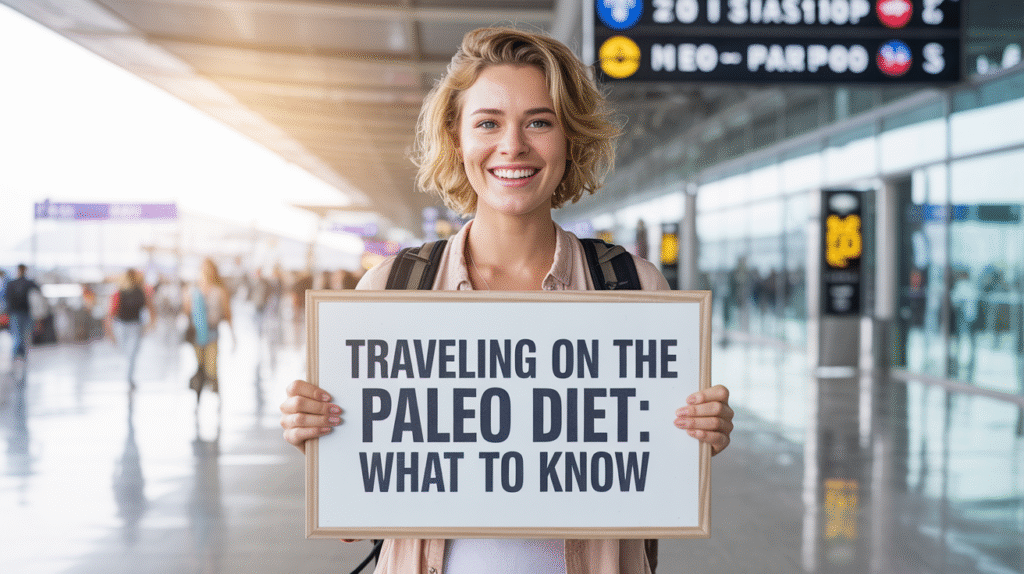
You’re standing in an airport terminal at 6 AM, stomach growling, staring at a sea of processed breakfast sandwiches and sugar-loaded pastries. Your Paleo lifestyle suddenly feels like a distant memory. Sound familiar? Don’t worry – with the right game plan, you can maintain your ancestral eating habits no matter where your adventures take you.
Traveling while following a Paleo diet doesn’t have to feel like navigating a nutritional minefield. Whether you’re jet-setting across continents or road-tripping to the next state over, these strategies will keep you energized, satisfied, and true to your whole-food principles.
1. Master the Art of Strategic Snack Packing
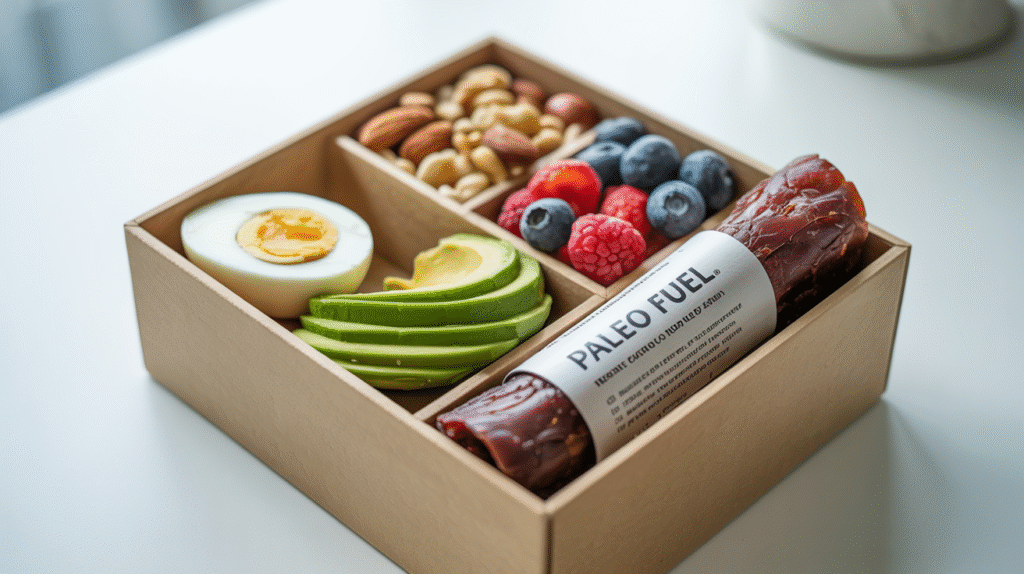
Think of your carry-on or travel bag as a portable Paleo pantry. The key is choosing foods that won’t spoil, won’t get confiscated by airport security, and actually taste good after being jostled around for hours.
Your snack arsenal should include:
- Raw almonds, walnuts, or macadamia nuts (buy them in small portions to avoid mindless munching)
- Unsweetened dried fruits like dates, figs, or apple chips
- High-quality beef jerky or salmon jerky (check labels for added sugars and preservatives)
- Paleo-approved protein bars that won’t crumble into dust
- Hard-boiled eggs for shorter trips
- Fresh fruit that travels well, like apples or bananas
Pro tip: Pack these snacks in individual portions using small containers or bags. This prevents you from accidentally devouring an entire bag of cashews during a delayed flight – we’ve all been there!
2. Become a Restaurant Research Detective
Gone are the days of wandering aimlessly through unfamiliar neighborhoods, hoping to stumble upon a Paleo-friendly spot. Your smartphone is your best friend here, and a little pre-trip research goes a long way.
Start by downloading apps like HappyCow for health-conscious restaurants, or use Yelp and Google Maps to scout locations near your hotel or destinations. Look for keywords like “farm-to-table,” “grass-fed,” “organic,” or “gluten-free” in restaurant descriptions. Many restaurants now post their full menus online, making it easy to spot Paleo-friendly options before you even leave home.
Don’t forget to check out local farmers markets, too. They’re often treasure troves of fresh, whole foods and can provide a fun cultural experience while keeping your diet on track.
3. Navigate Menus Like a Paleo Pro
When you’re sitting in that restaurant you researched (or the backup option when your first choice was closed), knowing how to decode a menu becomes crucial. The secret is simplicity – the more complicated a dish sounds, the more likely it contains hidden non-Paleo ingredients.
Your go-to ordering strategy:
- Start with grilled, baked, or roasted proteins (chicken, fish, steak, lamb)
- Pair with simply prepared vegetables (steamed, sautéed, or roasted)
- Ask for salads with olive oil and vinegar on the side
- Request fresh fruit for dessert instead of processed sweets
- Don’t be shy about asking questions – most servers can tell you how dishes are prepared
The magic phrase? “Can you prepare this simply with just salt, pepper, and olive oil?” Most restaurants are happy to accommodate this request, and you’ll avoid the mystery sauces that might contain sugar, corn syrup, or other additives.
4. Pack Your Portable Paleo Toolkit
A small investment in travel-friendly gear can make a huge difference in maintaining your diet on the road. Think of it as your Paleo survival kit.
A compact utensil set (including a good knife, fork, and spoon) opens up possibilities for impromptu meals from grocery stores or markets. Add a collapsible container or two, and you can pack leftovers from restaurants or store fresh foods for later. Some travelers swear by portable cutting boards and even small coolers for longer road trips.
This toolkit becomes especially valuable when you’re staying somewhere without easy restaurant access or when you want to enjoy a scenic outdoor meal with fresh, local ingredients.
5. Prioritize Hydration (Your Secret Weapon)
Here’s something many travelers overlook: staying properly hydrated can be your best defense against poor food choices. When you’re dehydrated, your body often sends hunger signals, leading to impulsive snacking on whatever’s available.
Invest in a good reusable water bottle and make it your travel companion. Aim to drink water before meals to help with digestion, and keep sipping throughout long travel days. Proper hydration also helps combat travel fatigue and can reduce the stress that often leads to dietary slip-ups.
Consider adding a pinch of sea salt or a slice of lemon to your water for extra minerals and flavor – it’s like a natural sports drink without the artificial additives.
6. Embrace Flexible Mindfulness
Here’s where the rubber meets the road: travel is about experiences, and sometimes those experiences involve food that doesn’t perfectly align with your usual eating patterns. The key is approaching these situations with mindful flexibility rather than rigid rules.
Maybe you’re in Italy and the local specialty involves ingredients that aren’t strictly Paleo. Consider this: one carefully chosen, thoroughly enjoyed meal focused on local, whole-food ingredients isn’t going to derail months of healthy eating. The stress of food perfectionism while traveling can sometimes be more harmful than the food itself.
The goal is to maintain the spirit of Paleo eating – focusing on whole, unprocessed foods – while allowing yourself to fully experience your destination. After all, food is often one of the most authentic ways to connect with a new culture.
7. Support Your Body with Smart Supplementation
Travel can disrupt your normal eating patterns and expose you to different foods, which sometimes leads to digestive issues or energy dips. A few carefully chosen supplements can help your body adapt more smoothly.
Consider packing:
- A high-quality probiotic to support gut health, especially important when trying new cuisines
- Magnesium to help with sleep disruption and muscle relaxation after long travel days
- Digestive enzymes if you’re planning to be more flexible with your food choices
- Vitamin D if you’re traveling to less sunny destinations
Keep supplements in their original containers to avoid any travel complications, and remember that supplements support your diet – they don’t replace the need for good food choices.
8. Turn Your Hotel Room into a Mini Kitchen
If your accommodation includes a kitchenette or even just a mini-fridge, you’ve hit the jackpot. This setup gives you maximum control over your meals and can save money while keeping you perfectly on track with your Paleo goals.
Stock your temporary kitchen with:
- Pre-washed salad greens and cut vegetables
- Avocados, eggs, and nuts for quick meals
- Canned fish or pre-cooked proteins
- Coconut oil for cooking
- Fresh fruits for breakfast or snacks
Even with just a mini-fridge, you can create satisfying meals. Think lettuce wrap sandwiches with deli meat and avocado, or a simple salad topped with nuts and canned salmon. These options often taste better and cost less than restaurant meals, while giving you complete control over ingredients.
Your Paleo Travel Adventure Awaits
Maintaining a Paleo lifestyle while traveling isn’t about perfection – it’s about making conscious choices that support your health and energy while still allowing you to fully experience your journey. With a bit of planning, the right mindset, and these practical strategies, you can explore the world without compromising your commitment to whole-food nutrition.
Remember, every experienced traveler has stories of dietary adventures and mishaps. The key is learning from each trip and refining your approach. Before you know it, eating well on the road will become second nature, and you’ll be the friend others turn to for travel nutrition advice.
So pack those nuts, download those restaurant apps, and get ready for your next adventure. Your Paleo lifestyle is just coming along for the ride!