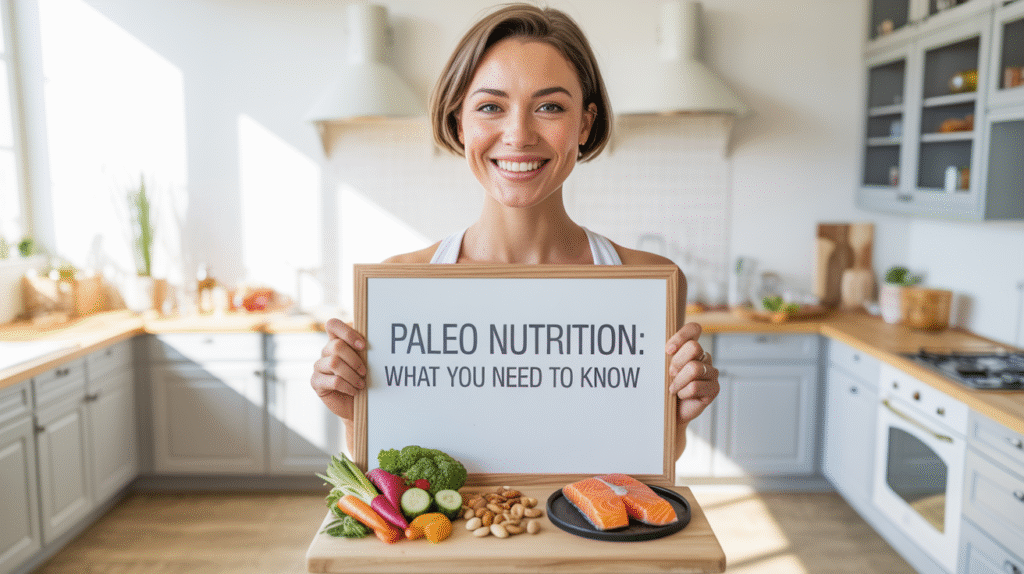
Imagine eating like a caveman in a world of processed foods and drive throughs. Sound impossible? The Paleo diet might just be your ticket back to vibrant health and sustained energy. This ancestral approach to eating has captured the attention of health enthusiasts worldwide, and for good reason—it’s not just a diet, it’s a return to the foods that fueled human evolution for millions of years.
What Makes Paleo Different?
The Paleolithic diet, often called the “caveman diet,” is based on a simple premise: if our hunter-gatherer ancestors couldn’t eat it 10,000 years ago, neither should we. This means saying goodbye to processed foods, grains, dairy, and refined sugars, while embracing the nutrient-dense whole foods that shaped our genetics.
But here’s the thing—this isn’t about deprivation. It’s about abundance. Abundance of flavor, nutrients, and energy that comes from feeding your body exactly what it’s designed to thrive on.
The 8 Pillars of Paleo Success
1. Become a Nutrient Density Detective
Think of your plate as real estate—every square inch should be earning its keep with maximum nutritional value. This is where the concept of “nutrient density” becomes your secret weapon. Instead of counting calories, you’re counting nutrients per bite.
Your nutrient powerhouses include:
- Dark leafy greens like kale and spinach (packed with folate, iron, and vitamin K)
- Organ meats, particularly liver (nature’s multivitamin with more nutrients than any superfood supplement)
- Wild-caught salmon and sardines (omega-3 fatty acids and complete proteins)
- Colorful bell peppers, sweet potatoes, and berries (antioxidants that fight inflammation)
The beauty of this approach? When you focus on nutrient density, your body naturally feels satisfied with smaller portions because it’s getting everything it needs to function optimally.
2. Embrace Fats as Your Friend (Yes, Really!)
For decades, we’ve been told that fat makes us fat. The Paleo approach flips this outdated thinking on its head. Healthy fats aren’t just allowed—they’re essential for hormone production, brain function, and keeping you satisfied between meals.
Your fat toolkit should include:
- Avocados: Creamy, versatile, and packed with monounsaturated fats that support heart health
- Extra virgin olive oil: Perfect for salads and low-heat cooking, rich in antioxidants
- Coconut oil: Great for high-heat cooking, contains medium-chain triglycerides for quick energy
- Raw nuts and seeds: Almonds, walnuts, and pumpkin seeds provide healthy fats plus minerals
- Fatty fish: Salmon, mackerel, and sardines deliver omega-3s that reduce inflammation
Here’s a game-changer: when you eat adequate healthy fats, your blood sugar stays stable, your cravings diminish, and you naturally eat less without feeling deprived. It’s like having an internal appetite control system that actually works.
3. Make Protein Your Metabolic MVP
Every single meal should feature a high-quality protein source. Why? Protein is the building block of muscle, the key to a revved-up metabolism, and your best friend for staying full and satisfied. When you eat protein, your body actually burns calories just to digest it—a phenomenon called the thermic effect of food.
Your Paleo protein all-stars:
- Grass-fed beef: Higher in omega-3s and conjugated linoleic acid (CLA) than conventional beef
- Pasture-raised chicken and eggs: Complete proteins with all essential amino acids
- Wild-caught seafood: Fish, shrimp, and shellfish provide lean protein plus beneficial minerals
- Game meats: Venison, bison, and elk offer unique nutrient profiles and exceptional taste
Pro tip: Aim for about 20-30 grams of protein per meal. This amount optimizes muscle protein synthesis and keeps your metabolism humming throughout the day.
4. Paint Your Plate with Rainbow Colors
If your plate looks like a beautiful sunset, you’re probably doing Paleo right. Different colored fruits and vegetables contain different phytonutrients—natural compounds that act like medicine in your body. The more variety you include, the more comprehensive your nutritional insurance policy becomes.
Color-coding your nutrition:
- Red foods (tomatoes, red peppers, watermelon): Rich in lycopene for heart health
- Orange/yellow foods (carrots, sweet potatoes, oranges): High in beta-carotene for immune function
- Green foods (broccoli, Brussels sprouts, spinach): Packed with chlorophyll and folate
- Purple/blue foods (blueberries, purple cabbage, eggplant): Loaded with anthocyanins for brain health
Challenge yourself to include at least three different colored plants in every meal. Your taste buds will thank you, and so will every cell in your body.
5. Respect Natural Sugars (But Don’t Fear Them)
The Paleo diet doesn’t demonize all sugars—it simply recognizes that even natural sweeteners should be treated with respect. Fruits, raw honey, and maple syrup are allowed, but moderation is key to avoiding the blood sugar roller coaster that leaves you crashed and craving more.
Smart sugar strategies:
- Pair fruits with protein or healthy fats to slow sugar absorption
- Choose lower-glycemic fruits like berries, apples, and pears most of the time
- Save higher-sugar fruits like dates and tropical fruits for post-workout when your body can best utilize the glucose
- Use natural sweeteners sparingly—think of them as flavor enhancers, not main ingredients
Remember: just because it’s “natural” doesn’t mean unlimited quantities are beneficial. Your paleolithic ancestors encountered sweet foods rarely and seasonally—try to mirror this approach.
6. Hydration: The Foundation of Everything
Water is involved in virtually every biological process in your body, yet most people walk around in a state of chronic mild dehydration. On Paleo, proper hydration becomes even more important as your body adjusts to processing more fiber and protein.
Your hydration strategy:
- Start each day with a large glass of water to kickstart your metabolism
- Drink half your body weight in ounces throughout the day (if you weigh 150 pounds, aim for 75 ounces)
- Include herbal teas like chamomile, peppermint, or green tea for variety and additional antioxidants
- Sip on bone broth between meals for hydration plus minerals, collagen, and amino acids
Pro tip: If plain water bores you, try adding cucumber slices, lemon, or fresh herbs like mint for natural flavor without any artificial additives.
7. Portion Wisdom: Trust Your Body’s Intelligence
Here’s something revolutionary: when you eat nutrient-dense, whole foods, your body’s natural hunger and satiety signals start working properly again. You don’t need to count calories or measure portions obsessively—you need to reconnect with your internal appetite control system.
Developing portion intuition:
- Eat slowly and mindfully, putting your fork down between bites
- Stop eating when you feel about 80% full (it takes 20 minutes for your brain to register satiety)
- Pay attention to energy levels after meals—feeling energized means you ate the right amount and combination
- Be especially mindful with nuts, dried fruits, and Paleo treats, which are calorie-dense and easy to overeat
The goal isn’t restriction—it’s developing a healthy, intuitive relationship with food that serves your body’s needs.
8. Master the Art of Preparation
The difference between Paleo success and failure often comes down to one thing: preparation. When you’re tired, stressed, or pressed for time, you’ll reach for whatever’s convenient. Make sure that “convenient” option is Paleo-friendly.
Your preparation playbook:
- Batch cook proteins on Sundays: grill several chicken breasts, cook a pot roast, or bake a whole fish
- Prep vegetables in advance: wash, chop, and store cut veggies for easy access during busy weekdays
- Stock emergency snacks: keep nuts, jerky, hard-boiled eggs, or cut vegetables readily available
- Plan your meals for the week, including backup options for when plans change
- Master one-pot meals: stews, stir-fries, and sheet pan dinners that minimize prep and cleanup time
The Bigger Picture: Why Paleo Works
The magic of Paleo nutrition isn’t just in what you eat—it’s in what you don’t eat. By eliminating processed foods, refined sugars, industrial oils, and inflammatory ingredients, you’re removing the obstacles that prevent your body from functioning optimally.
When you combine nutrient-dense whole foods with adequate protein, healthy fats, and proper hydration, something remarkable happens: your energy stabilizes, your cravings disappear, your digestion improves, and your body composition naturally optimizes itself.
This isn’t about perfection—it’s about progress. Start with one or two of these principles, master them, then gradually incorporate the others. Your paleolithic ancestors didn’t worry about following a perfect diet; they simply ate the best foods available to them. In our modern world of infinite food choices, we have the opportunity to do even better.
Your journey to ancestral health starts with your next meal. Make it count.
Frequently Asked Questions
1: Is the Paleo diet safe for everyone?
While Paleo can benefit most people, it’s always wise to consult with a healthcare provider before making significant dietary changes, especially if you have existing health conditions, take medications, or are pregnant or breastfeeding. People with certain conditions like kidney disease may need modifications to protein intake.
2: Will I lose weight on the Paleo diet?
Many people do lose weight on Paleo, but it’s not primarily a weight-loss diet—it’s a health-focused approach. Weight loss often occurs naturally because you’re eating more satiating foods, eliminating processed foods, and reducing inflammation. However, individual results vary based on factors like starting weight, activity level, and overall health.
3: Can I eat dairy on Paleo?
Traditional Paleo excludes all dairy since it wasn’t available to paleolithic humans. However, some people following a “primal” approach include high-quality, full-fat dairy like grass-fed butter, ghee, or raw cheese if they tolerate it well. The key is listening to your body and noting how dairy affects your digestion and energy levels.
4: What about grains and legumes? Why are they excluded?
Grains and legumes are excluded because they contain compounds like lectins, phytates, and saponins that can interfere with nutrient absorption and potentially cause digestive issues in sensitive individuals. They also weren’t part of the human diet until agriculture developed relatively recently in human evolutionary history.
5: How do I get enough fiber without grains?
Vegetables and fruits provide abundant fiber—often more than grain-based diets. Focus on high-fiber Paleo foods like artichokes, Brussels sprouts, broccoli, berries, apples with skin, and sweet potatoes. Many people find their digestive health actually improves when switching from grain fiber to vegetable fiber.
6: Is Paleo expensive?
It can be more expensive initially, but there are ways to manage costs: buy cheaper cuts of grass-fed meat, purchase frozen vegetables, shop sales and buy in bulk, choose seasonal produce, and consider that you’ll likely save money by not buying processed foods, supplements, or frequent restaurant meals.
7: Can I exercise intensely on Paleo?
Absolutely! Many athletes thrive on Paleo diets. For intense training, you may need to time your carbohydrate intake (sweet potatoes, fruits) around workouts and ensure adequate total calories. Some athletes include white rice or other “safe starches” to fuel high-intensity activities.
8: What if I have food allergies or sensitivities?
Paleo is naturally free from common allergens like gluten and dairy, making it suitable for many people with food sensitivities. However, if you’re allergic to nuts, seafood, or eggs, you’ll need to avoid those Paleo foods and focus on other options. The elimination aspect of Paleo can actually help identify food sensitivities.
9: How long does it take to see results?
Most people notice improvements in energy and digestion within 1-2 weeks. Changes in body composition, sleep quality, and more significant health markers typically become apparent after 30-60 days. Remember that everyone’s timeline is different, and some people may experience an adjustment period as their body adapts.
10: Can I eat out while following Paleo?
Yes, but it requires some strategy. Look for restaurants that offer grilled meats, seafood, and vegetables. Ask for substitutions (vegetables instead of rice or potatoes), request cooking oils to be olive oil or ask for food to be grilled dry, and don’t be afraid to customize orders. Many restaurants are accommodating when you explain your dietary needs.
11: What’s the difference between Paleo and Keto?
While both eliminate grains and processed foods, they have different focuses. Paleo emphasizes whole foods our ancestors ate, while Keto focuses specifically on achieving ketosis through very low carb intake (typically under 20-50g daily). Paleo allows more fruits and vegetables, while Keto restricts these to maintain ketosis. Some people combine both approaches.
12: Should I take supplements on Paleo?
A well-planned Paleo diet is nutrient-dense, but some supplements might be beneficial depending on your individual needs, location, and health status. Common considerations include vitamin D (especially in low-sun climates), omega-3s (if not eating fish regularly), and magnesium. Work with a healthcare provider to assess your specific needs through testing if necessary.