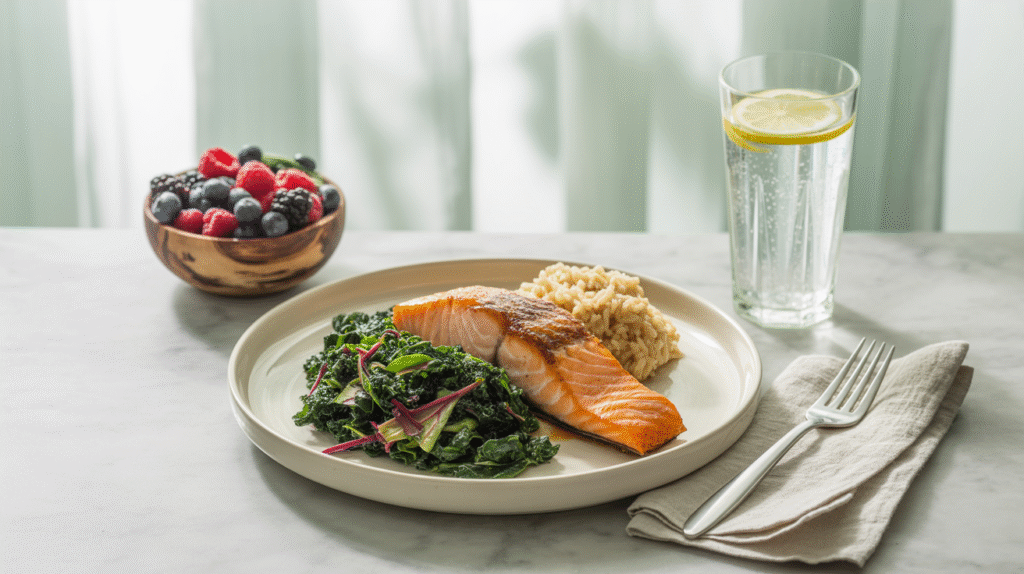
In the quest for a healthier lifestyle, the term “anti-inflammatory diet” has gained significant traction. But what exactly does it mean? In essence, an anti-inflammatory diet is not a rigid, short-term plan, but rather a lifelong approach to eating that focuses on consuming foods that combat chronic inflammation within the body.
Inflammation is a natural and essential process that helps your body heal from injury and fight off infections. However, when this inflammatory response becomes chronic and low-grade, it can contribute to a wide range of health problems, including heart disease, type 2 diabetes, certain cancers, and autoimmune disorders.
The core principle of an anti-inflammatory diet is simple: to minimize the intake of foods that promote inflammation and maximize the consumption of foods that help to reduce it. This eating pattern emphasizes whole, unprocessed foods rich in nutrients, antioxidants, and fiber.
Key Components of an Anti-Inflammatory Diet:
Foods to Embrace

Fruits and Vegetables: Nature’s Medicine Cabinet
Fruits and vegetables are nutritional powerhouses packed with vitamins, minerals, antioxidants, and phytonutrients that combat inflammation. The key is variety and color diversity, as different pigments indicate different beneficial compounds.
- Berries (blueberries, strawberries, raspberries, blackberries) are exceptionally high in anthocyanins, powerful antioxidants that reduce inflammatory markers
- Leafy greens (spinach, kale, arugula, Swiss chard) provide folate, vitamin K, and carotenoids that support immune function
- Cruciferous vegetables (broccoli, cauliflower, Brussels sprouts, cabbage) contain sulforaphane, a compound with potent anti-inflammatory effects
- Colorful bell peppers are rich in vitamin C and carotenoids
- Tomatoes provide lycopene, especially when cooked
- Sweet potatoes offer beta-carotene and fiber
- Citrus fruits deliver vitamin C and flavonoids
Aim for at least five servings of fruits and vegetables daily, with emphasis on deeply colored options that indicate high antioxidant content.
Healthy Fats: The Foundation of Anti-Inflammatory Eating
Not all fats are created equal. Monounsaturated and omega-3 polyunsaturated fats are your allies in fighting inflammation, while saturated and trans fats can promote it.
- Extra virgin olive oil is rich in oleic acid and contains compounds like oleocanthal, which has anti-inflammatory effects similar to ibuprofen
- Avocados provide monounsaturated fats, fiber, and potassium
- Nuts and seeds (almonds, walnuts, pistachios, flaxseeds, chia seeds, hemp seeds) offer healthy fats, protein, fiber, and various anti-inflammatory compounds
- Coconut oil in moderation can be beneficial, though it’s higher in saturated fat
The omega-3 to omega-6 fatty acid ratio is crucial. Most Western diets are too high in omega-6 fats (from vegetable oils) and too low in omega-3s, creating a pro-inflammatory environment.
Fatty Fish: Ocean-Sourced Anti-Inflammatory Powerhouses
Cold-water fatty fish are among the best sources of EPA and DHA, the most bioactive omega-3 fatty acids. These compounds directly reduce inflammation by competing with pro-inflammatory compounds in cellular pathways.
- Salmon (wild-caught preferred)
- Sardines and anchovies (also high in calcium)
- Mackerel and herring
- Tuna (limit to 2-3 servings per week due to mercury content)
- Rainbow trout
Aim for at least two servings of fatty fish per week. If you don’t eat fish, consider algae-based omega-3 supplements.
Whole Grains: Fiber-Rich Inflammation Fighters
Unlike their refined counterparts, whole grains retain their fiber, B vitamins, and phytonutrients. The fiber in whole grains feeds beneficial gut bacteria, which produce short-chain fatty acids that have anti-inflammatory effects.
- Oats contain beta-glucan, a type of soluble fiber with immune-modulating properties
- Quinoa is a complete protein and provides magnesium and antioxidants
- Brown rice offers fiber and B vitamins
- Barley is high in beta-glucan and fiber
- Whole wheat products (bread, pasta) in moderation
- Buckwheat contains rutin, a flavonoid with anti-inflammatory properties
Lean Proteins: Building Blocks Without the Inflammation
Protein is essential for tissue repair and immune function, but the source matters for inflammation levels.
- Poultry (chicken, turkey) without skin
- Legumes (beans, lentils, chickpeas) provide protein, fiber, and phytonutrients
- Tofu and tempeh (fermented soy products)
- Eggs from pasture-raised hens
- Greek yogurt and other fermented dairy products (if tolerated)
Plant-based proteins are generally preferred due to their additional fiber and phytonutrient content.
Spices and Herbs: Concentrated Anti-Inflammatory Compounds
Many spices and herbs contain bioactive compounds with powerful anti-inflammatory properties.
- Turmeric contains curcumin, one of the most studied anti-inflammatory compounds. Combine with black pepper to enhance absorption
- Ginger has gingerols that reduce inflammatory markers
- Garlic provides organosulfur compounds with immune-boosting and anti-inflammatory effects
- Cinnamon can help regulate blood sugar and reduce inflammation
- Rosemary and oregano are rich in antioxidants
- Green tea contains EGCG, a potent anti-inflammatory compound
Foods to Limit or Avoid

Processed and Ultra-Processed Foods: The Modern Inflammation Culprits
Highly processed foods are often loaded with pro-inflammatory ingredients including refined sugars, unhealthy fats, preservatives, and artificial additives. These foods also tend to be low in nutrients and fiber.
- Fast food and restaurant meals (often high in calories, unhealthy fats, and sodium)
- Packaged snacks (chips, crackers, cookies)
- Processed meats (hot dogs, sausages, deli meats, bacon)
- Frozen dinners and convenience foods
- Sugary cereals and breakfast pastries
Refined Carbohydrates and Added Sugars: Blood Sugar Spikes and Inflammation
Refined carbohydrates cause rapid spikes in blood sugar and insulin levels, which can trigger inflammatory pathways. Added sugars, particularly high-fructose corn syrup, are especially problematic.
- White bread, pasta, and rice
- Sugary drinks (sodas, sports drinks, sweetened teas and coffees)
- Candy and desserts
- Sweetened yogurts and granola bars
- Pastries and baked goods
Unhealthy Fats: The Inflammatory Troublemakers
Certain types of fats can promote inflammation, especially when consumed in excess or when they dominate the diet.
- Trans fats (partially hydrogenated oils) – now banned in many countries but still found in some products
- Excessive omega-6 oils (corn, soybean, sunflower, safflower oils)
- Fried foods cooked in inflammatory oils
- Margarine and shortening
Red and Processed Meats: Moderation is Key
While not necessarily inflammatory for everyone, high consumption of red and processed meats has been associated with increased inflammatory markers and health risks.
- Beef, pork, and lamb (limit to 1-2 servings per week)
- Processed meats (hot dogs, sausages, bacon, deli meats)
- Charred or well-done meats (contain inflammatory compounds formed during high-heat cooking)
Popular Anti-Inflammatory Eating Patterns
It’s important to note that the anti-inflammatory diet is not a one-size-fits-all approach. Several established dietary patterns naturally align with its principles. The Mediterranean diet, with its emphasis on fruits, vegetables, whole grains, olive oil, and fish, is a prime example. Similarly, the DASH (Dietary Approaches to Stop Hypertension) diet, which focuses on reducing sodium and increasing nutrient-rich foods, also boasts anti-inflammatory benefits.
By adopting an anti-inflammatory way of eating, you are not just managing your weight; you are actively investing in your long-term health and well-being, providing your body with the tools it needs to thrive and protect itself from chronic disease.